Mix and master: two steps
Mixing balances stems into one musical picture; mastering checks that picture across speakers, headphones and platforms. Do not send a self-limited ‘as loud as possible’ mix for mastering unless it is only a reference — dynamics that belong in the mix disappear otherwise.
At Nitentxara, mixing with 2 revisions can precede mastering. If you only supply a stereo mix, export 24-bit WAV without master bus dither and with peaks below 0 dBFS; we measure integrated loudness and true peak in a controlled room.
LUFS and true peak briefly
LUFS describes average perceived loudness across a track. Streaming services often normalise toward about −14 LUFS integrated for music — exact algorithms differ per platform and may also show short-term or momentary values for QC.
True peak catches inter-sample peaks after lossy encoding. Stay clearly below 0 dBTP; −1 dBTP is a common margin for Spotify, Apple Music and download. High true peak causes distortion after encoding even when your DAW meter looks fine.
Platform targets without a ‘louder wins’ rule
Normalisation does not mean louder is always better: material above the platform average is often turned down, while a more dynamic mix at target level keeps punch. We tune to your genre and references you send via contact.
Vinyl mastering has other constraints: mono bass below roughly 150 Hz, side length and controlled out-of-phase low end. Say at booking whether you target digital, vinyl or both — per-track pricing stays €90; EP packages up to six tracks are €340.
What to deliver
Final approved stereo mix WAV at the same sample rate as your archive. No mp3-only source. Optional: instrumental and acapella for clean edits, plus ISRC and running order for an EP. If stems came from our studio, follow deliver stems for mix first; mastering follows the approved bounce.
Attended mastering at the studio is €48 per attended stem session — useful if you want to listen with the engineer on our monitors. Remote mastering with notes by email suits most independent releases in the Netherlands.
Sequence, gaps and metadata
Mastering covers order, gaps between songs and sometimes crossfades. Send desired spacing (for example 2 seconds) and whether hidden tracks matter. We deliver upload-ready formats; you remain responsible for credits and rights with your distributor or PRO.
Title and track number metadata live with your distributor; we focus on sound. We keep masters on file for 12 months under standard archive rules in terms and conditions.
Revision and communication
Mastering includes one revision round: send timestamps or plain descriptions (‘softer at chorus 2:10’). Further changes are quoted separately. We reply to questions within 1 business day via [email protected] or 020 244 8916.
Mix revisions sit under mixing — not mastering — when the issue is balance rather than final level. Separation keeps budgets predictable: mix €185, master €90, each with clear scope.
Listening in the real world
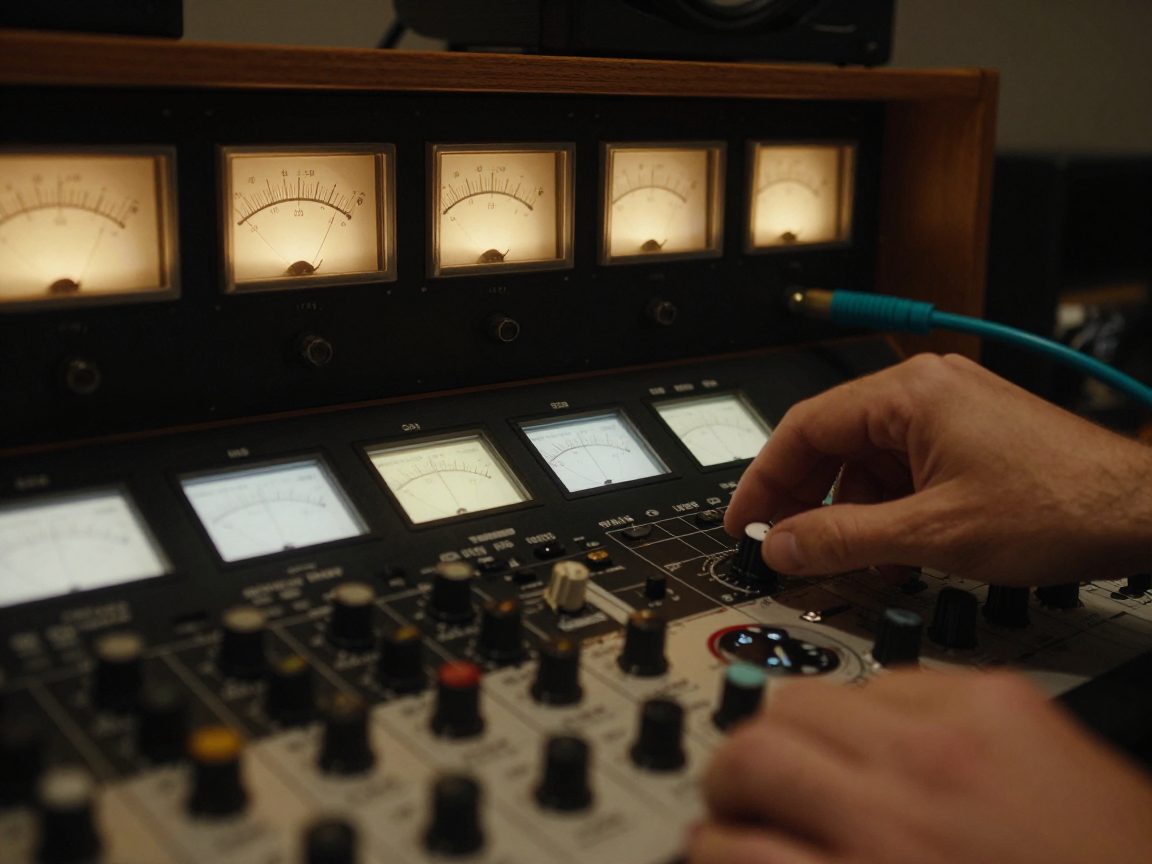
Check your master on earbuds, car, phone speaker and neutral monitors if you have them. No master sounds identical everywhere; the aim is translation without harsh highs or muddy lows. In our mastering setup the mastering engineer listens with calibrated meters — not a race to the hottest DAW reading.
Live bands often keep natural dynamics; rap-forward releases can be tighter. We do not apply one template to every genre that comes through Overtoom.
Loudness checklist
- Mix approved, no limiter on master export
- 24-bit WAV, true peak headroom (toward −1 dBTP)
- Reference track or notes included
- Release format (streaming/vinyl) stated
- Track list and gaps fixed
- Revision notes with timecodes
Planning new recording? Combine vocal and rap recording or live band recording with mix and master in stages. General questions live in FAQ; book via contact.